Terran Camaclang
Game Designer
My Philosophy
Good design is invisible.
The role of a Designer is to bring a creation into harmony with the audience. Meeting them where they are and bringing them along to an even better place.
Good design rarely feels like a design at all. When beautifully designed, it feels like a natural phenomenon. Something can be so intuitive to interact with, it feels like breathing.
When I approach projects, whether it's VFX, Composing, or Game Design, I start by thinking about where the audience is and how they will want to engage. Where the eye will be drawn to, what emotional beats they expect, what buttons they are likely to press, and by meeting them there, you can guide them through a chain of intuitive steps, into any space you want.
Unbound Drift
Creative Co-Director (Early Development)
2024-2025, available on Steam, positive early reviews
Tether mechanics
Movement through unconventional means
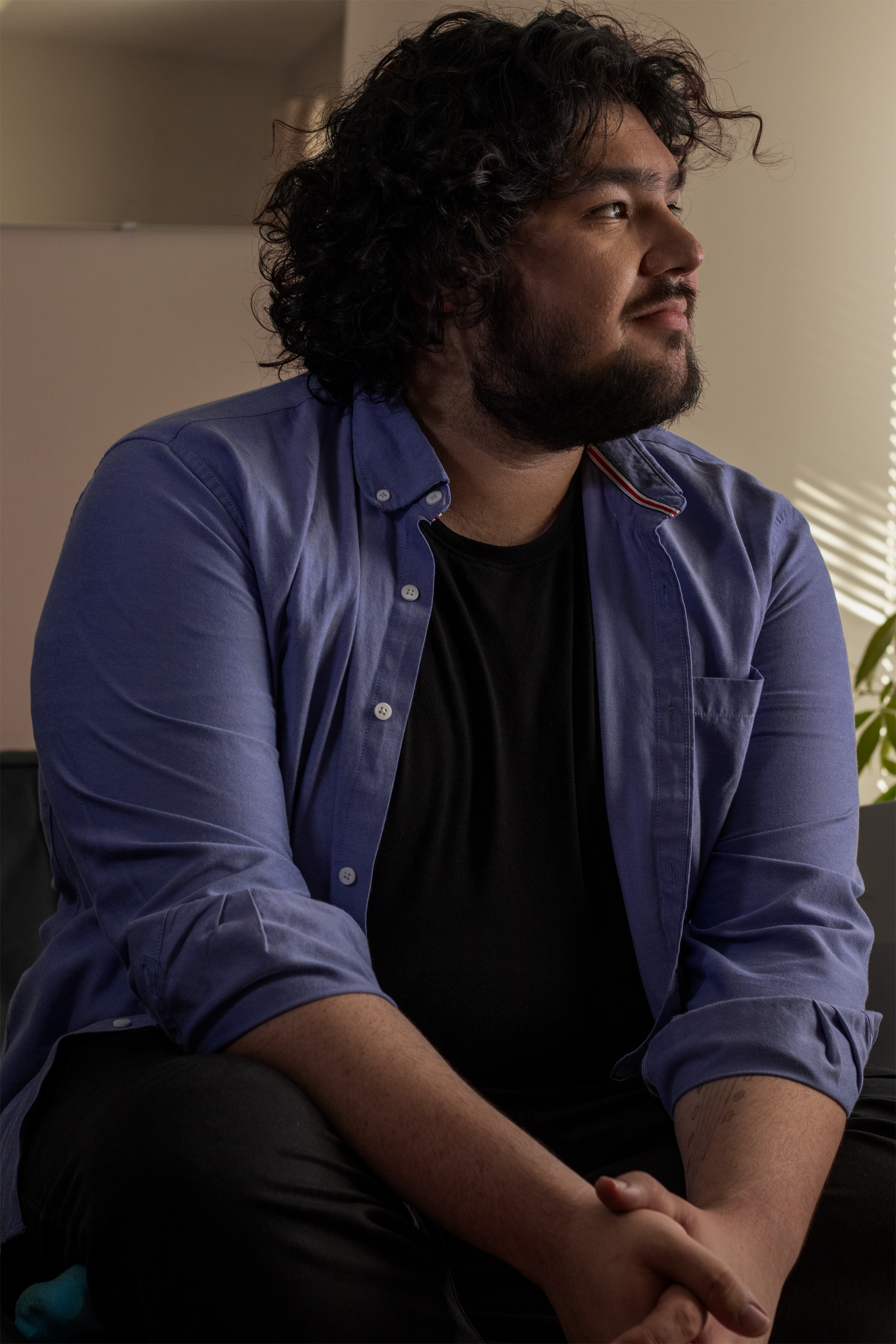
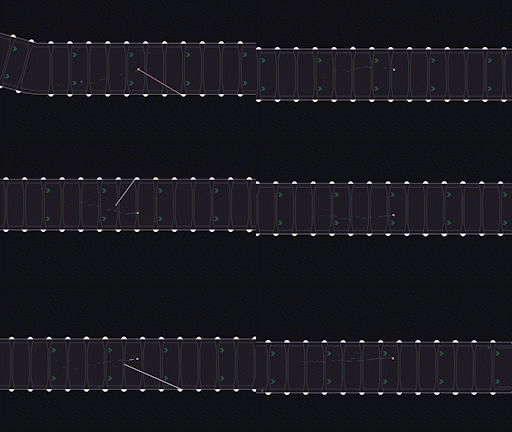
Unbound Drift is a high-momentum physics game built around the core mechanic of swinging and wrapping around objects. You create tethers to pull and swing through the environment, converting momentum in new directions and building up speed.
The game's motion has a hypnotic quality as you learn to control and master its physics.
Mastery as progression
Movement mechanics as the main obstacle
Unbound Drift has no levelling up, no skill tree or abilities gained. The growth comes from your familiarity and mastery of the mechanics.
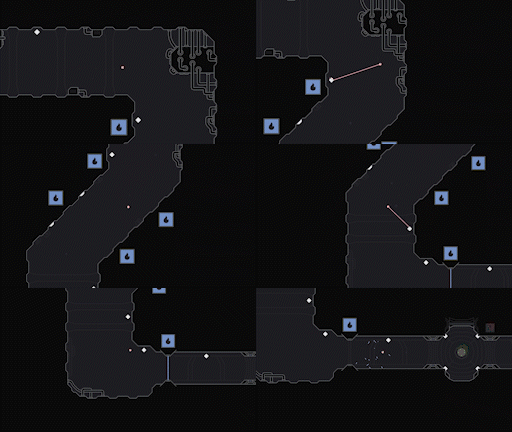
Every move that is available at the very end of the game is possible at the very beginning. As you move through the world, you will naturally discover ways of moving, sometimes through invisible tutorials, other times through puzzles that teach and then require that motion for progression. Eventually, you loop back to the first level and feel the dramatic difference of moving through the space before and after your mastery.
Because of this, the game has two distinct experiences: the first playthrough of exploration and learning, and a second playthrough of mastery and speed, both of which were curated to share the same space.
Dual Design
A space meant for two players at once
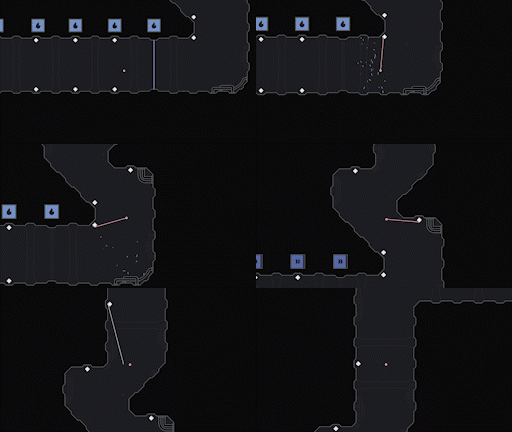
The movement of Unbound Drift is inherently fun, but also the main challenge. Environmental obstacles could be sparse or non-existent, and the player would still have great difficulty moving around.
However, once a player has mastered the movement, there were two options for level design: challenge them further with the environment and slow their movement back down, or challenge them to move even faster.
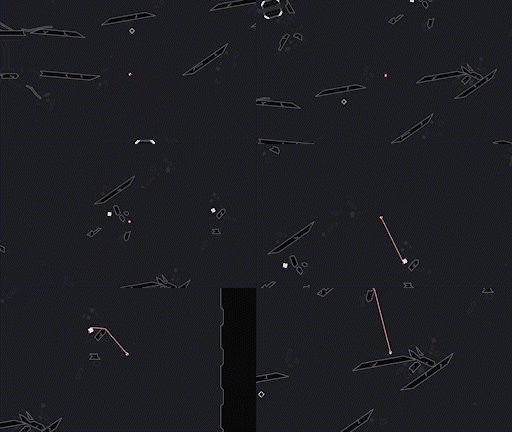
The world of Unbound Drift is designed for two players simultaneously: the first-time player who is exploring and testing the edges of their skills, and the experienced speedrunner attempting to beat their best time.
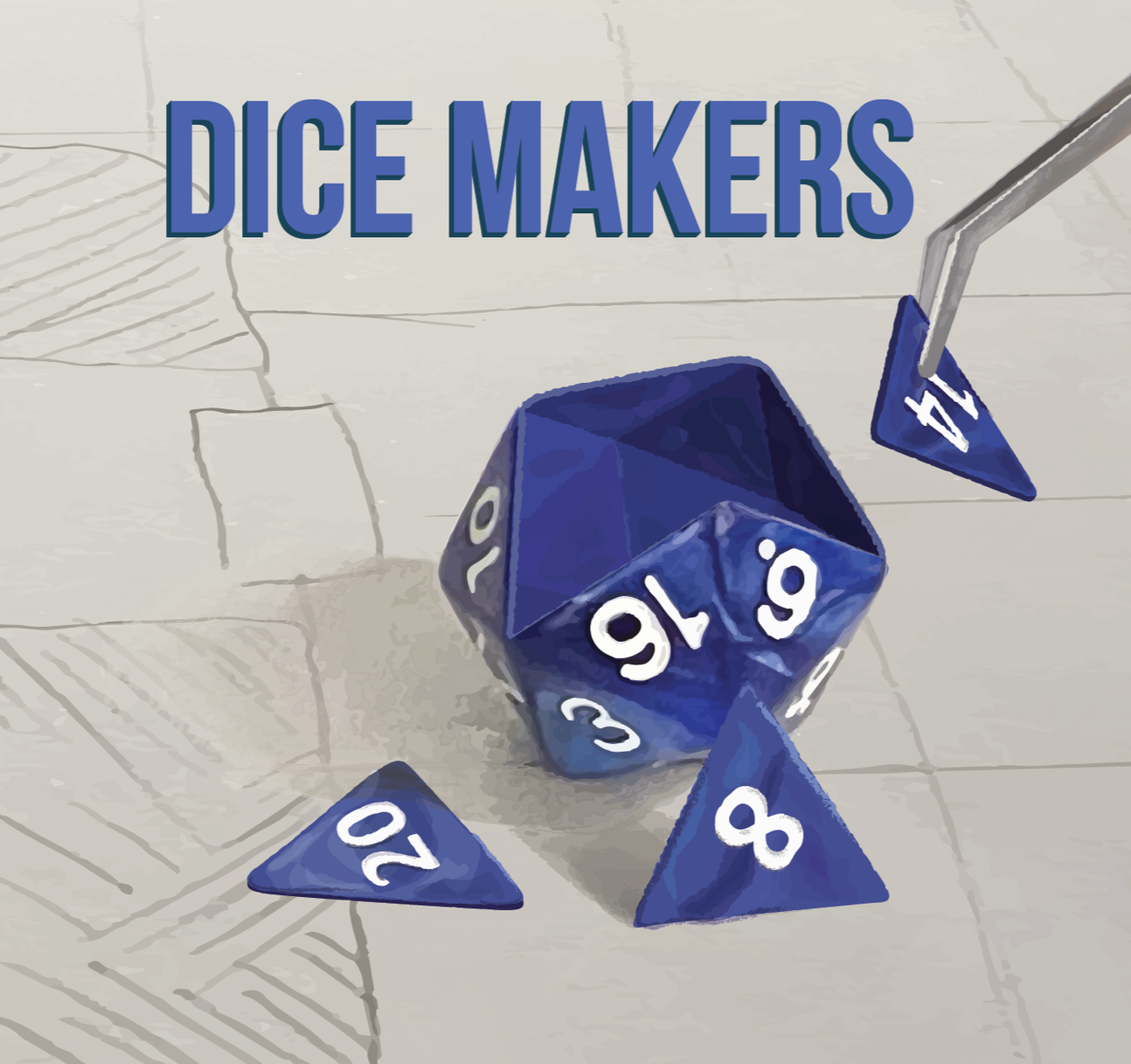
Dice Makers
Host and producer
2024, 11 episodes
Design Discussions
A podcast about solving problems
Dice Makers was an episodic podcast where we discussed design philosophies surrounding tabletop roleplaying games (TTRPG’s).
From breaking down the math behind different dice usage, to redesigning levelling systems, and exploring GM advice like managing the flow of information to players, the podcast served as an exploration and celebration of TTRPG design.
The NightRuin System
A world generation system concept
Over the course of the podcast, we designed our own TTRPG system on mic. We came up with a concept for a multi-generational game where you first play as the designers of the city through a card game, fighting other players for control and building financial and political systems. Then you play as characters within the city you created.
The idea was to give players an in-depth understanding of the political and logistical landscape, without any exposition.
Gritty Combat System
What combat can look like in a political world
The podcast also produced a combat system centred around gritty realism and narrative descriptions, where injuries and death could happen fast, but not reliably, so the majority of the combat would be spent fighting for advantages.
Players would stack on positional advantages and condition effects to gain the upper hand and deal a killing blow, causing the fights to feel like knocking people to the ground, rolling around in the mud, and throwing dirt.
D&D 5e
Game Master
2017-current, on and off bi-weekly campaigns, over 15 new players introduced to the game.
House Rule Changes
Alterations made to the core system
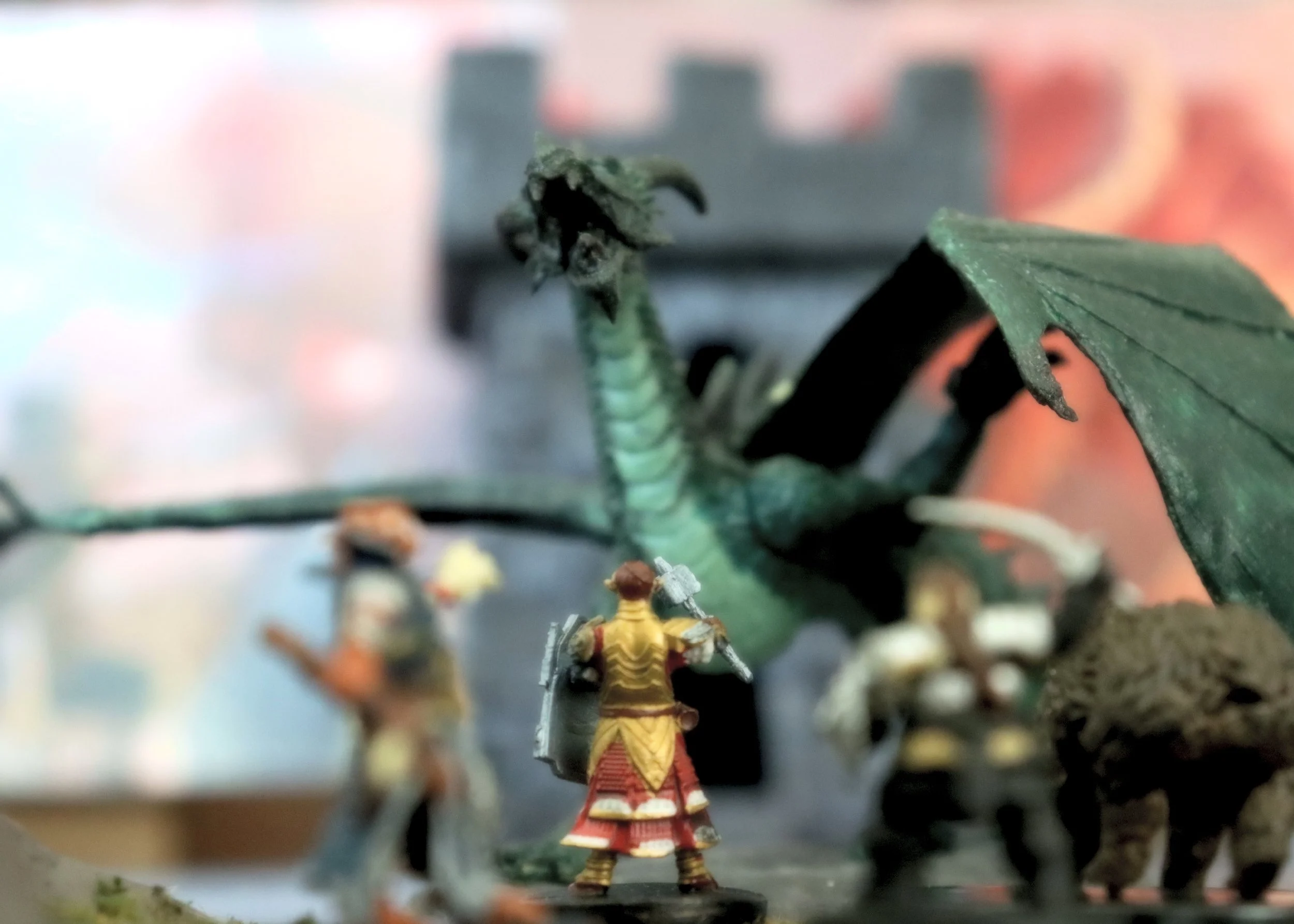
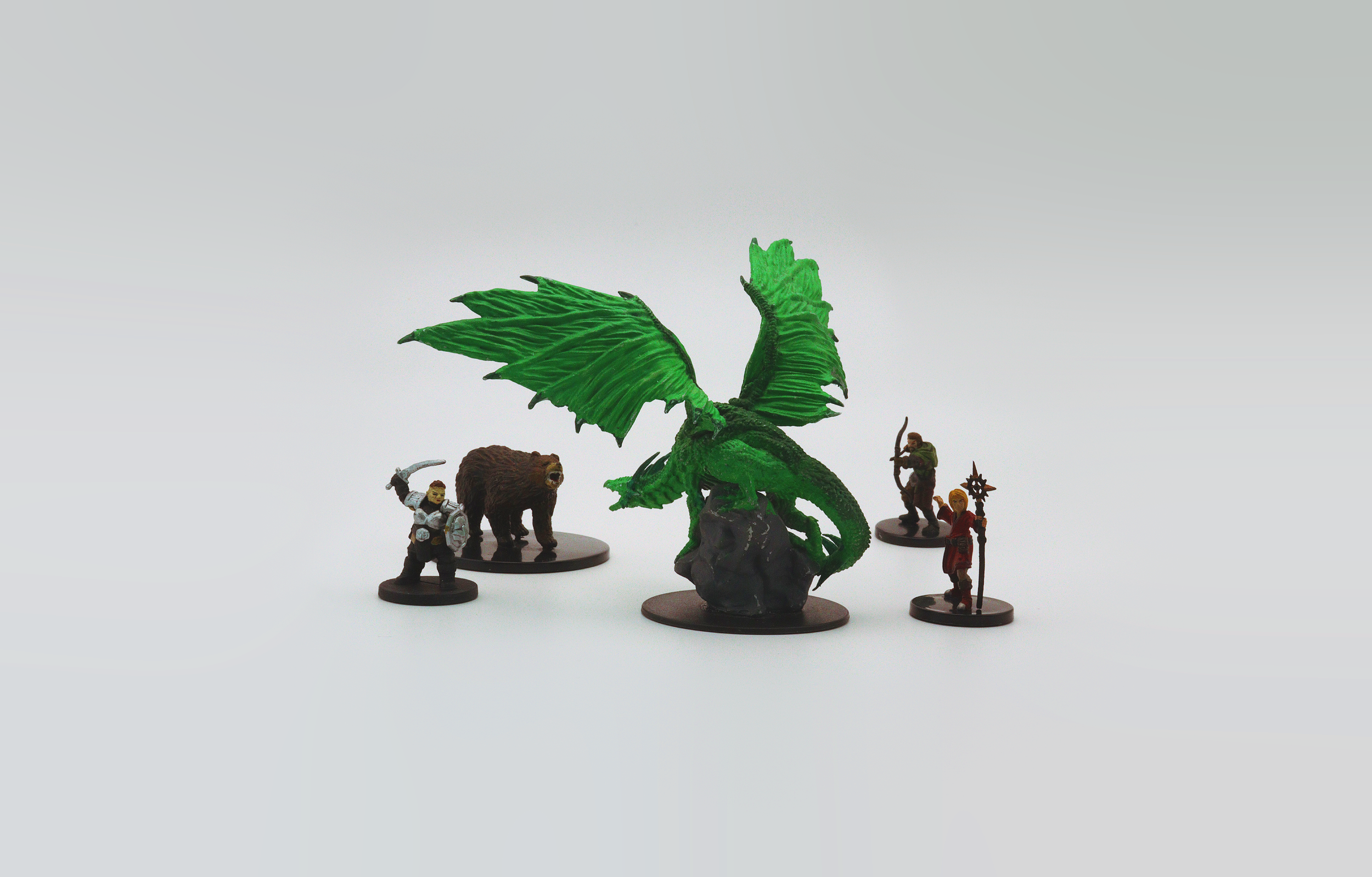
D&D 5e is a widely loved TTRPG with a strong foundation. However, there are consequences of its design that did not serve my table well for the games we wanted to play, and so I have made changes to the core mechanics for my players.
The mechanics surrounding death currently encourage players to be reckless until downed, and then passively wait to be saved. I created a new condition that simultaneously made death more likely and frightening, but also allowed players to participate in the fight right up until their death.
The Initiative and turn structures have been altered at my table to speed up combat and encourage more cooperation and coordination between players.
Along with many other minor changes that alter the feel of the game at my table, without losing what made 5e special.
Tutorialized Version
A D&D version for new players to learn TTRPGs
Dungeons and Dragons is far more accessible than it seems. Much of the complexity comes from character creation and edge cases. Unfortunately, this complexity is the first thing a new player experiences when sitting down to play, having to figure out proficiencies or reading about class options before knowing what the game is like.
I have created a simplified version of D&D 5e that allows a player to create their own character in under 5 minutes per player and try out the entire breadth of the tabletop roleplaying experience, without the added complexity.
Customized Classes
Returning players get a tailored experience.
At my table, anyone who joins a campaign gets a fully custom class.
From magical tea-monk mindreaders, to non-binary shapechanging warlocks, to tactician barbarians.
Classes can be based on characters from other media, alterations on existing classes, or fully custom creations with their own tailored narrative experience.
They are given the freedom to explore and grow, creating new features at the time they gain them, so the player doesn't progress through a set track but grows on what makes sense for the narrative.
While these classes are not balanced for baseline D&D 5e combat, the more powerful players give me the freedom to build custom monsters and enemies to match and counter their high power levels.

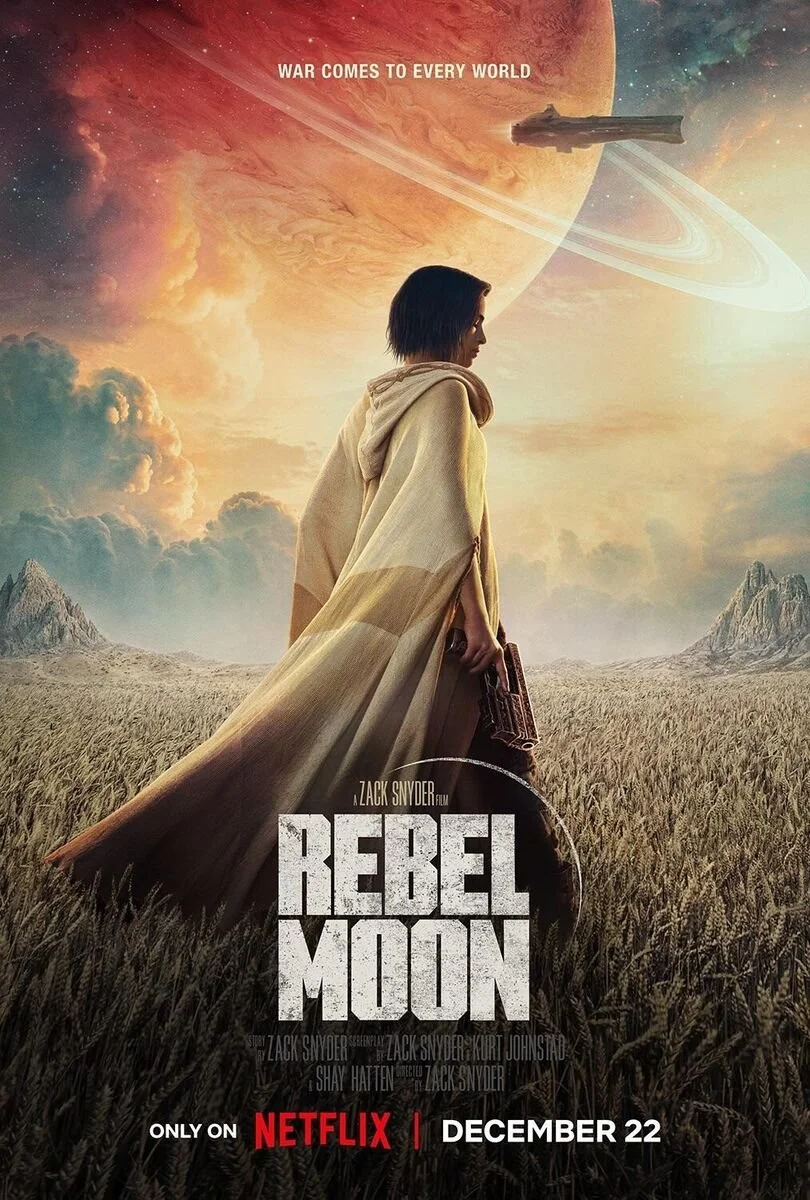
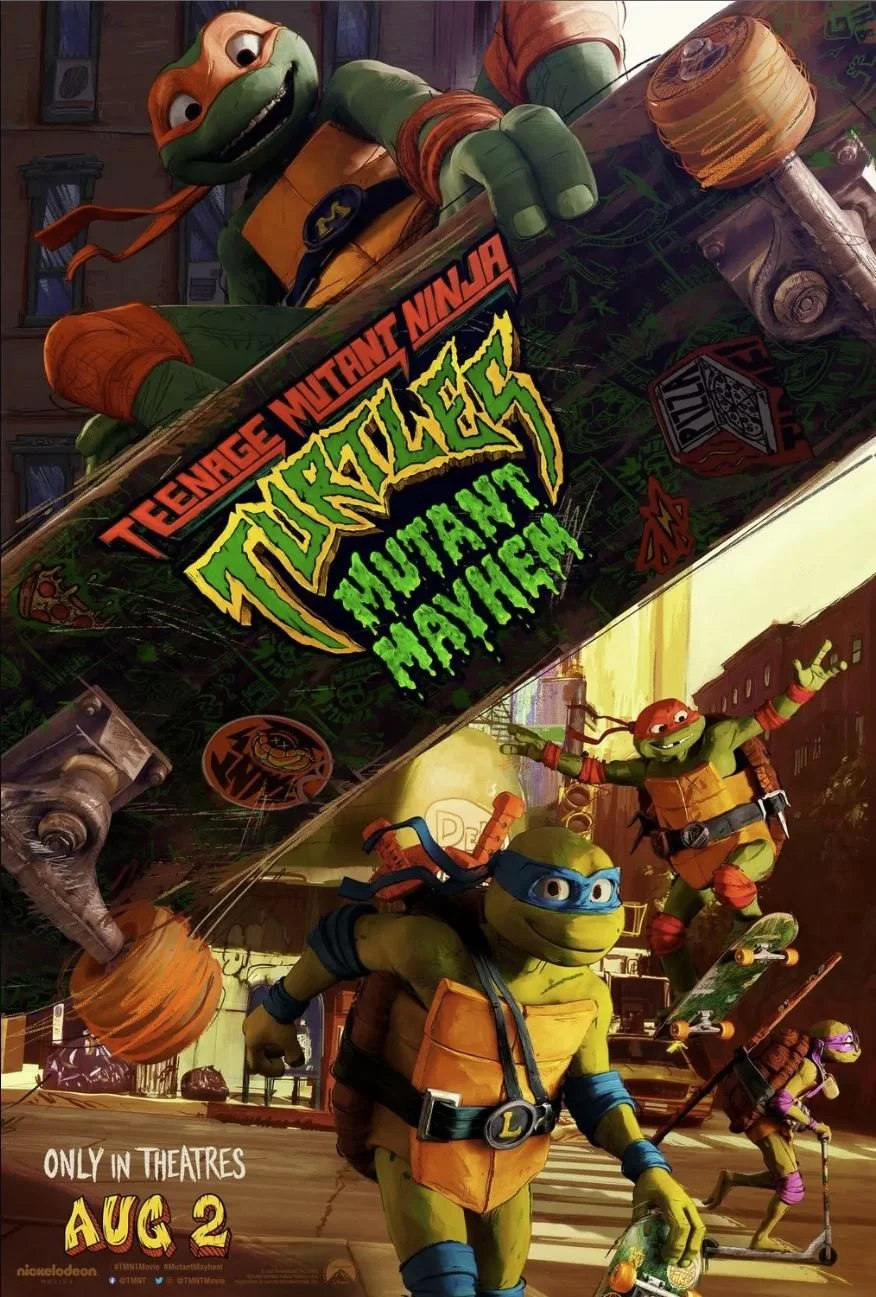
VFX
Compositor
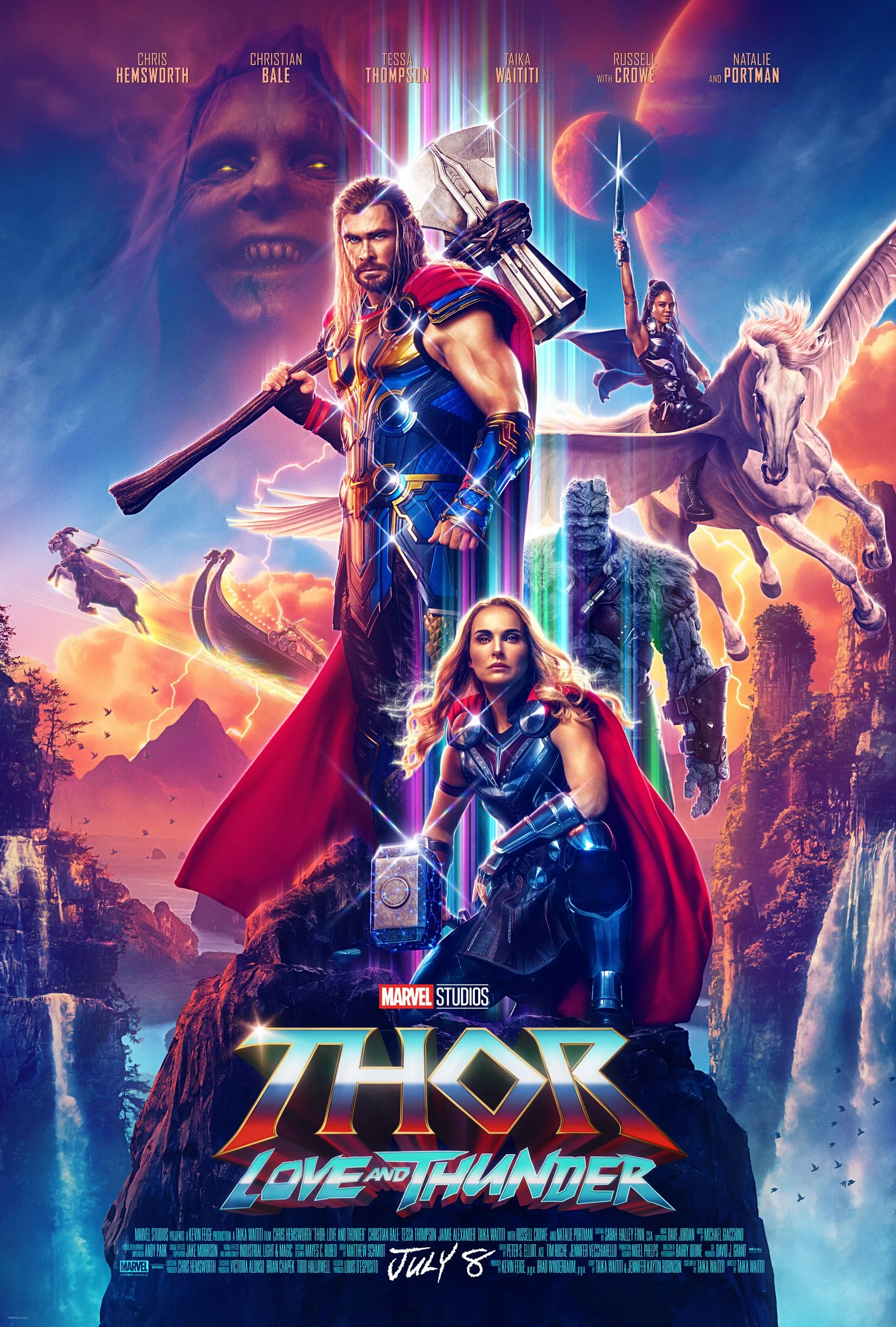
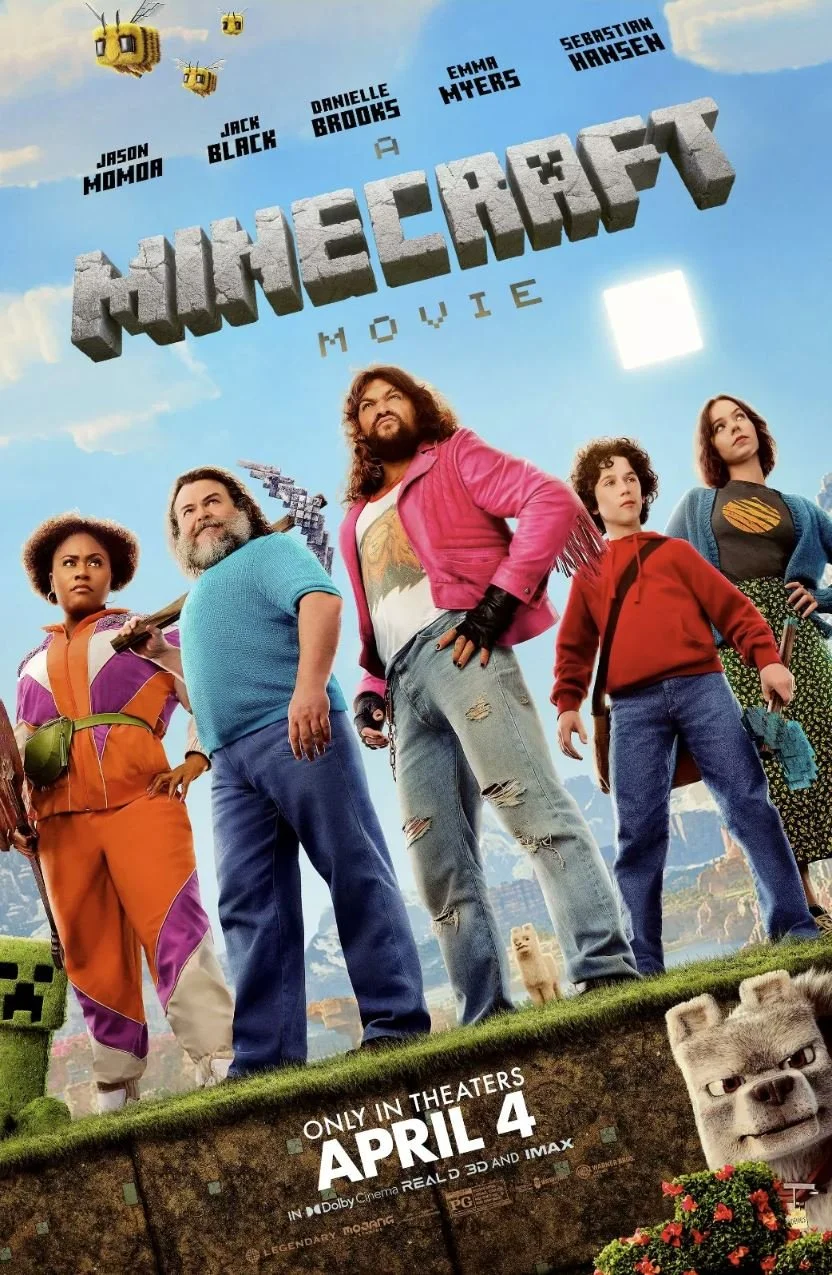
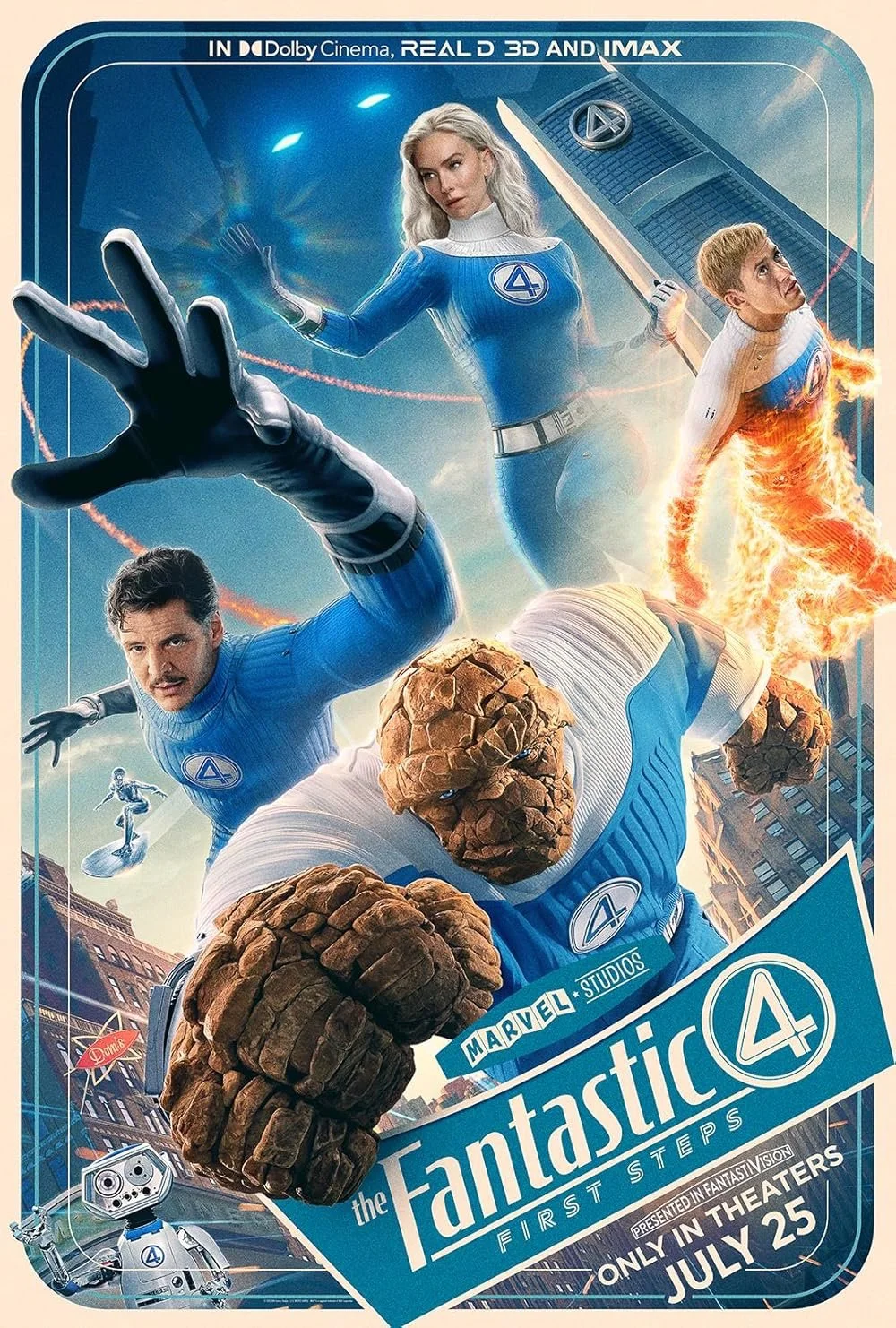
2018-2026, 7 different companies, over 30 projects.
Pipeline mindset
Constraints can fuel creative decision-making
In my 8 years of VFX experience for film and TV, I’ve worked for companies with nearly no pipeline support, and companies with decades-old, robust systems. Learning to understand and work within these different pipelines made me a more creative artist in the long run.
If shots take too long on the render farm, figuring out methods to pre-calculate the heavier work or branch it off into a separate file both organized the project but also allowed for thinking through larger shots.
My VFX Career
Youngest student, creative artist
As the youngest student to attend LostBoys | School of Visual Effects, I got a fantastic head start in the film industry. From an Internship with Scanline VFX, to TV work with Mr.Wolf, to Marvel shows with Method VFX, I have been fortunate to work with companies both big and small on a wide variety of projects.
Problem Solver
Troubleshooting mindset
When I joined the final crunch of an animated show, I wasn't able to take on shots directly as a compositor without lighting experience. The pipeline was set up for a compositor/lighter to handle shots on their own, and so there were no tasks with only compositing work to be done.
As a result, I became a floating support that people could call on to help when a complex problem arose, and they didn't have time to diagnose the issue. I began creating tools to be used by the team to help speed up the work, and gave a live demonstration on how to use my tools to the entire department. The team expressed a lot of appreciation for the support, and the tools were used by nearly all artists for the final product.
Proficiencies
Game Design
Unity - Since 2016, I have built hundreds of tiny personal projects with Unity, including simple 2d games and programs that analyze MIDI inputs and convert them into visual representations.
C# - I have been writing in C# since 2016, including interacting with the custom engine used in Unbound Drift
Python, Twine, Godot - Since 2019 I have built fun little projects including games and Utility software.
VFX / Production
Nuke, NukeX, Adobe Suite, Microsoft Suite, Google Suite, Bitwig, and Shotgun/Shotgrid